Address
304 North Cardinal
St. Dorchester Center, MA 02124
Work Hours
Monday to Friday: 7AM - 7PM
Weekend: 10AM - 5PM
Address
304 North Cardinal
St. Dorchester Center, MA 02124
Work Hours
Monday to Friday: 7AM - 7PM
Weekend: 10AM - 5PM
When you think of a sling bag, your mind likely jumps to its shape, strap, and functionality. But the fabric’s pattern is far more than a decorative afterthought; it’s a critical design and performance element. The choice of pattern—whether a woven jacquard, a printed graphic, or a melange-dyed yarn—dictates not only the bag’s aesthetic but also its durability, feel, weight, and how it wears over time. A bold, large-scale print might conceal scuffs on a commuter bag but could crack on a high-flex point. A subtle herringbone weave offers timeless elegance but provides no visual camouflage for stains. Understanding the intersection of textile construction and pattern application is essential for anyone designing, sourcing, or selecting a truly functional sling bag.
This guide moves beyond surface-level style to dissect the technical realities of fabric patterns for sling bags. We’ll explore how different textile materials and manufacturing processes create and hold patterns, the direct impact on performance, and the key trade-offs you must evaluate. Whether you’re a small brand owner sourcing materials, a DIY maker, or a discerning buyer, knowing these fundamentals will help you make an informed choice that balances look with longevity.
A pattern on a sling bag fabric serves multiple purposes. Aesthetically, it defines the bag’s personality—from rugged and utilitarian to sleek and minimalist. Functionally, patterns can be engineered for specific outcomes. A busy pattern can effectively mask everyday dirt and wear, making it ideal for heavy-use scenarios like travel or outdoor activities. Conversely, a solid color or fine pattern makes stains and scratches highly visible, requiring more meticulous care but often conveying a refined, high-end appearance.
You may also like: The Complete Guide to Green Knit Fabric: Properties, Sourcing, and Application
The method used to create the pattern fundamentally alters the fabric’s behavior. A pattern that is woven into the fabric (like a herringbone or twill) is part of the textile’s very structure. It will not wear off, fade uniformly, or crack, but its visual impact is generally more subtle and texture-based. A printed pattern, applied to the surface of a plain fabric, allows for unlimited, vibrant graphics but introduces potential failure points at high-stress areas like strap attachments or fold points. The choice between these approaches is one of the first and most significant decisions in the material selection process.
You cannot discuss patterns without first understanding the base textile. The fiber content and fabric construction are the canvas upon which the pattern is created. They determine what printing methods are viable, how the pattern will feel, and how it will perform under stress.
Cotton Canvas: The classic choice for durable sling bags. Its tight weave provides an excellent, stable surface for both woven patterns (like a classic herringbone) and robust prints (screen printing). It ages with character, developing a patina. However, it absorbs moisture, can be heavy when wet, and is prone to shrinking if not pre-shrunk. A printed pattern on cotton canvas is susceptible to cracking if the fabric becomes very stiff or is repeatedly folded sharply along the print lines.
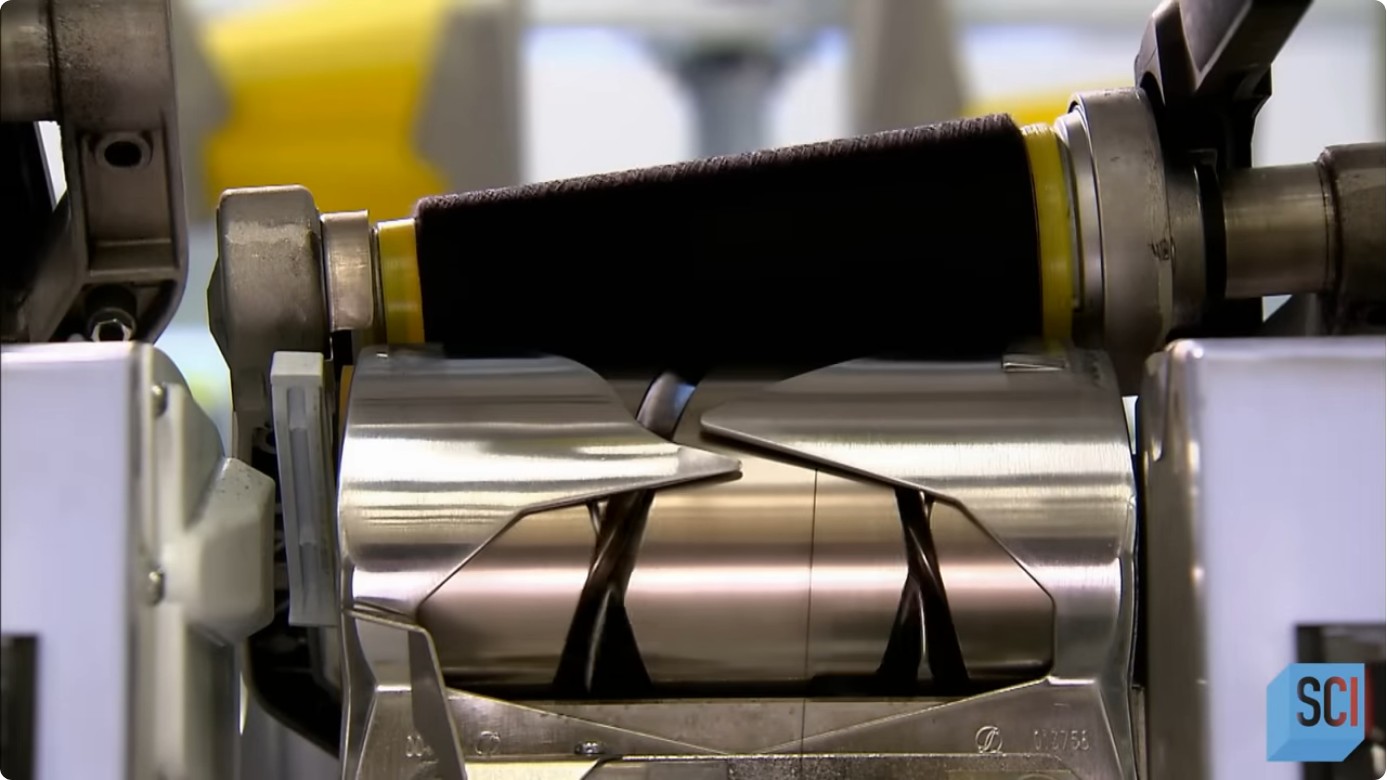
Heavyweight Linen or Linen Blends: Offer a textured, natural aesthetic with excellent breathability. Woven patterns are inherent to the fabric’s slubby texture. Prints on linen can have a unique, slightly vintage feel but may be less sharp than on synthetics. Linen wrinkles easily and has lower tensile strength than nylon or polyester, making it less ideal for high-load applications unless heavily reinforced.
Polyester: The workhorse of modern performance bags. It is hydrophobic (water-resistant), lightweight, and dimensionally stable. This stability makes it a premier surface for dye-sublimation printing, where heat turns solid dye into gas that bonds with polyester fibers, creating a permanent, crisp pattern that won’t crack or peel. Polyester can also be engineered with woven patterns during the knitting/weaving process. Its main drawback is that it can feel less premium and may generate static.
Nylon (特别是 Ripstop): Renowned for its exceptional strength-to-weight ratio and abrasion resistance, making it a top choice for rugged outdoor sling bags. Patterns are typically printed (sublimation or screen print) as the ripstop grid itself is a structural weave. The critical consideration with printed nylon is colorfastness under UV exposure; some dyes can fade significantly in sunlight. Look for fabrics with solutions-dyed nylon fibers, where color is added to the molten polymer, offering superior UV resistance.
Polyester-Nylon Blends: Often used to balance cost, durability, and print quality. The blend ratio will affect the fabric’s hand (feel) and performance with different printing methods. Always request a sample for testing before committing.
| Base Fabric | Pattern Compatibility | Key Performance Notes |
|---|---|---|
| Cotton Canvas | Screen print, woven (herringbone, twill) | Heavy, absorbs water, ages characterfully. Prints may crack on stiff folds. |
| Polyester (Plain Knit) | Dye-sublimation (best), screen print | Lightweight, stable, vibrant prints. Can feel less premium. Low moisture absorption. |
| Nylon Ripstop | Screen print, sublimation (verify) | Extremely strong & light. Print UV fastness is a major variable; test rigorously. |
| TPU/PU Laminated Fabric | Printing on the face fabric only (pre-laminate) | Waterproof, flexible. Pattern is on the outer textile layer; lamination process can affect print feel. |
The technique used to apply a pattern is as important as the fabric itself. Each method has a distinct profile of cost, durability, and design capability.
Sourcing patterned fabric for sling bags involves specific questions beyond standard fabric purchasing. The minimum order quantities (MOQs), lead times, and quality control processes differ significantly.
Before placing a bulk order, you must test a physical sample under conditions mimicking your bag’s end-use.
Custom-printed fabrics often have high MOQs (e.g., 500-1000 yards) because they require creating unique print cylinders or digital files. For smaller brands or prototypes, look for:
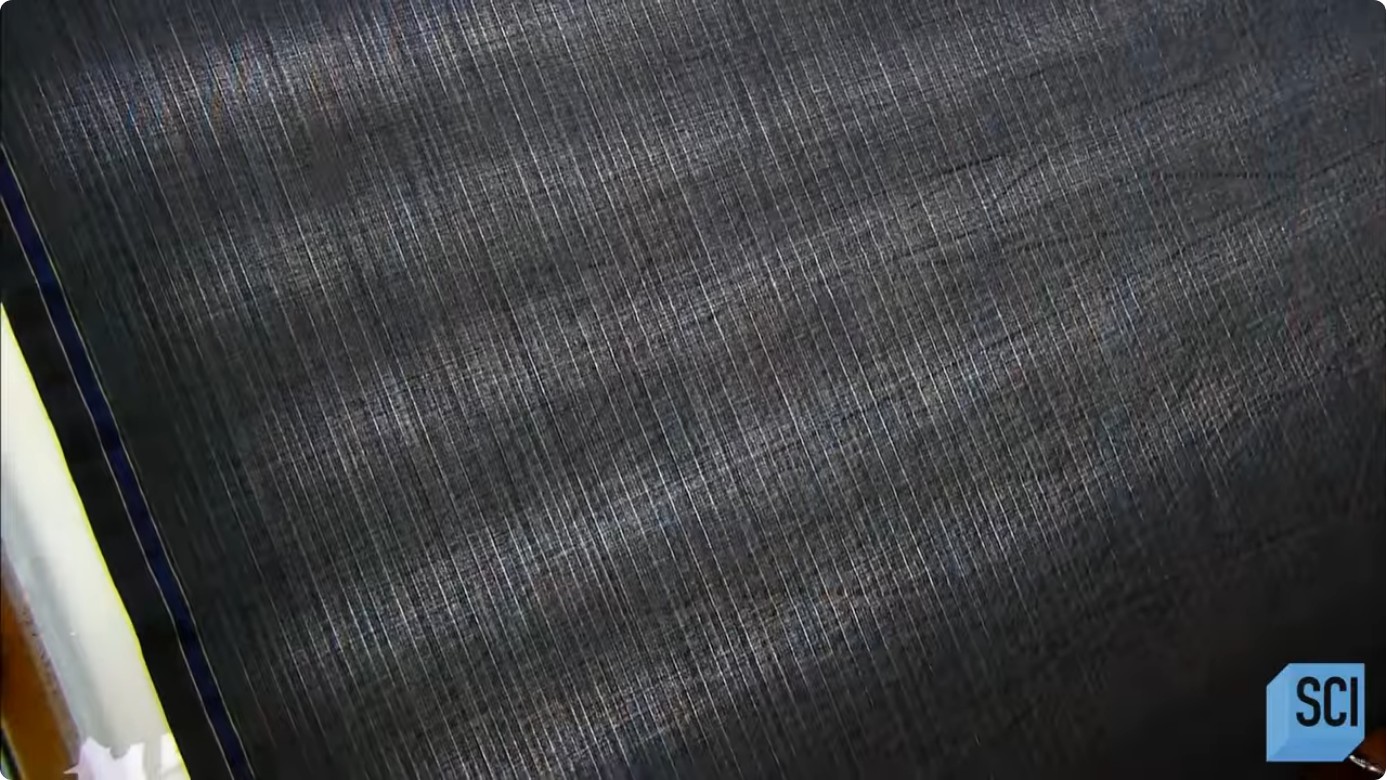
Caveat: Always confirm the base fabric’s composition and weight from your supplier. A “polyester” base from one mill can have a very different hand and performance than another. A sample is non-negotiable.
There is no single “best” patterned fabric for a sling bag. The optimal choice flows from a clear definition of the bag’s intended use and user.
Remember, the pattern is not just a skin; it’s an integrated part of the bag’s engineering. A poorly chosen pattern application on the wrong fabric will lead to customer dissatisfaction, regardless of how good the initial design looks.
Q: Can I use a vibrant sublimated print on a bag that will see a lot of sun?
A: Proceed with caution. While sublimation bonds dye to polyester, standard sublimation dyes are not inherently UV-stable. You must specifically request fabrics and inks tested for outdoor/UV use. Solutions-dyed polyester (where color is in the polymer) is a better, though often more expensive, choice for maximum sun resistance.
Q: What’s the most durable pattern for a heavy-use tool sling bag?
A: For maximum durability, avoid surface prints altogether. Opt for a fabric where the pattern is structural: a heavy-duty cotton duck with a woven herringbone or twill, or a ballistic nylon with its inherent grid pattern. These patterns are part of the yarns and cannot be worn off.
Q: How do I get a small batch (50-100 units) of a custom patterned sling bag without a huge cost?
A: Investigate stock printed fabrics from converters or digital textile printers that offer small-batch sublimation. Another route is to use a high-quality, textured base fabric (like a heather-knit polyester) with a small, strategic logo print (via screen print) rather than an all-over custom graphic, drastically reducing print complexity and cost.
Q: Is there a significant performance difference between a pattern that’s woven vs. printed on the same base fabric?
A: Absolutely. A woven pattern will maintain its appearance indefinitely under folding and abrasion, as it’s part of the fabric’s DNA. A printed pattern, even on the same stable base fabric, has a surface layer that is vulnerable to cracking, fading, and rubbing off at stress points. The printed version offers more design freedom but a shorter functional lifespan in high-flex zones.
You may also like: Heavy Weight Cotton: Properties, Uses, and Sourcing Guide


