When searching for “polyester fabric wholesale,” it’s easy to assume it’s a single, monolithic product. The reality is far more nuanced. Wholesale polyester sourcing involves navigating a vast landscape of constructions, weights, finishes, and supplier reliability. This guide cuts through the noise to provide a actionable framework for designers, small brands, and procurement managers looking to buy polyester fabric in bulk without compromising on quality or budget.
We’ll move beyond the simple definition of polyester as a synthetic fiber to examine the critical decisions that define a successful wholesale purchase. From understanding the fundamental difference between a cheap, stiff utility fabric and a luxurious, performance-driven knit, you’ll learn what questions to ask suppliers and which specifications truly matter for your end product.
It Starts with Construction: Knit vs. Woven Polyester
The first and most fundamental distinction in polyester fabric wholesale is the method of construction. This choice dictates the fabric’s hand, drape, stability, and ideal use case. You cannot compare a price per yard without first knowing which category you’re in.
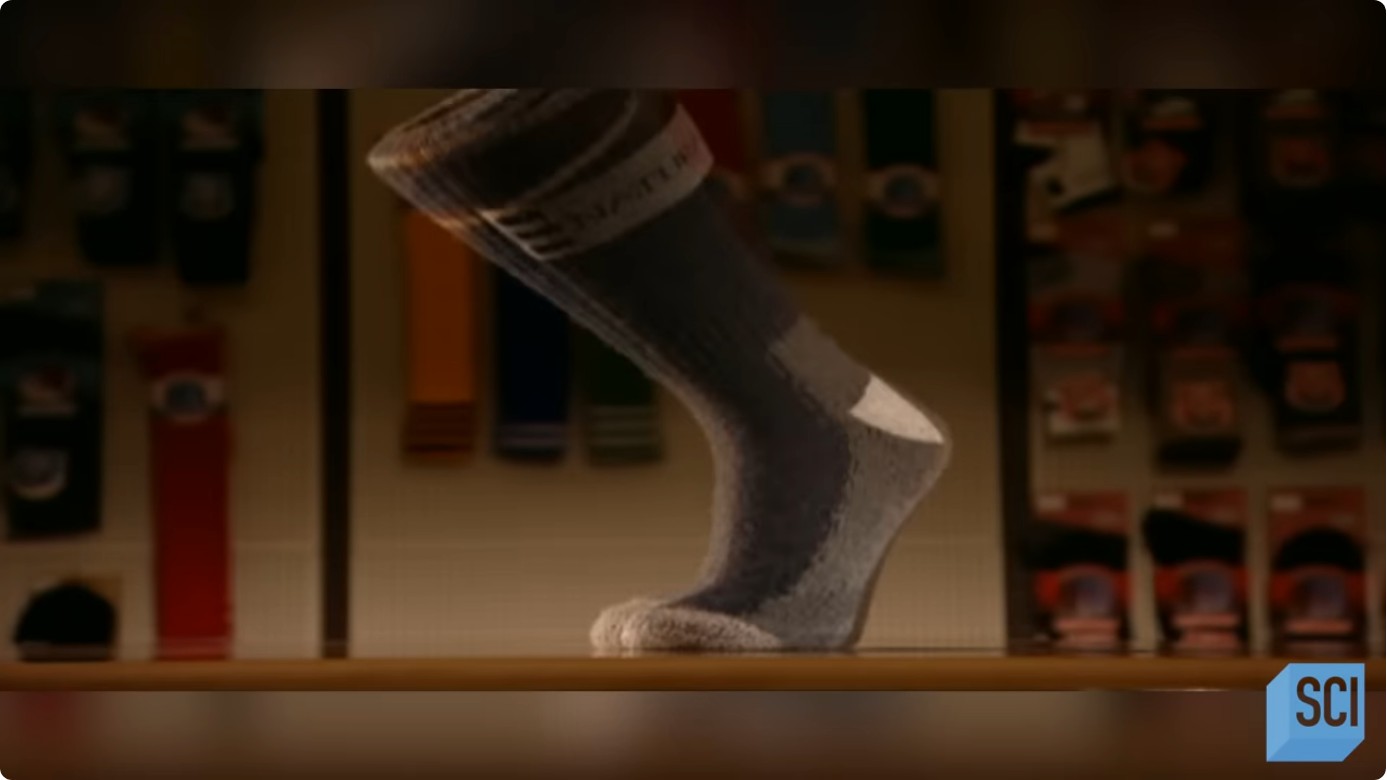
Knit fabrics are made by interlocking loops of yarn. They are inherently stretchy, soft, and comfortable, making them the default for t-shirts, activewear, and casual wear.
Key Properties: Good stretch and recovery, soft hand, excellent drape, less prone to fraying.
Sourcing Note: Minimum order quantities (MOQs) for knits can be lower, especially from domestic distributors. However, for custom knits (specific GSM, width, finish), mill-direct sourcing often requires higher MOQs (e.g., 1,000-5,000 yards).
Woven Polyester (Poplin, Twill, Satin, Ripstop)
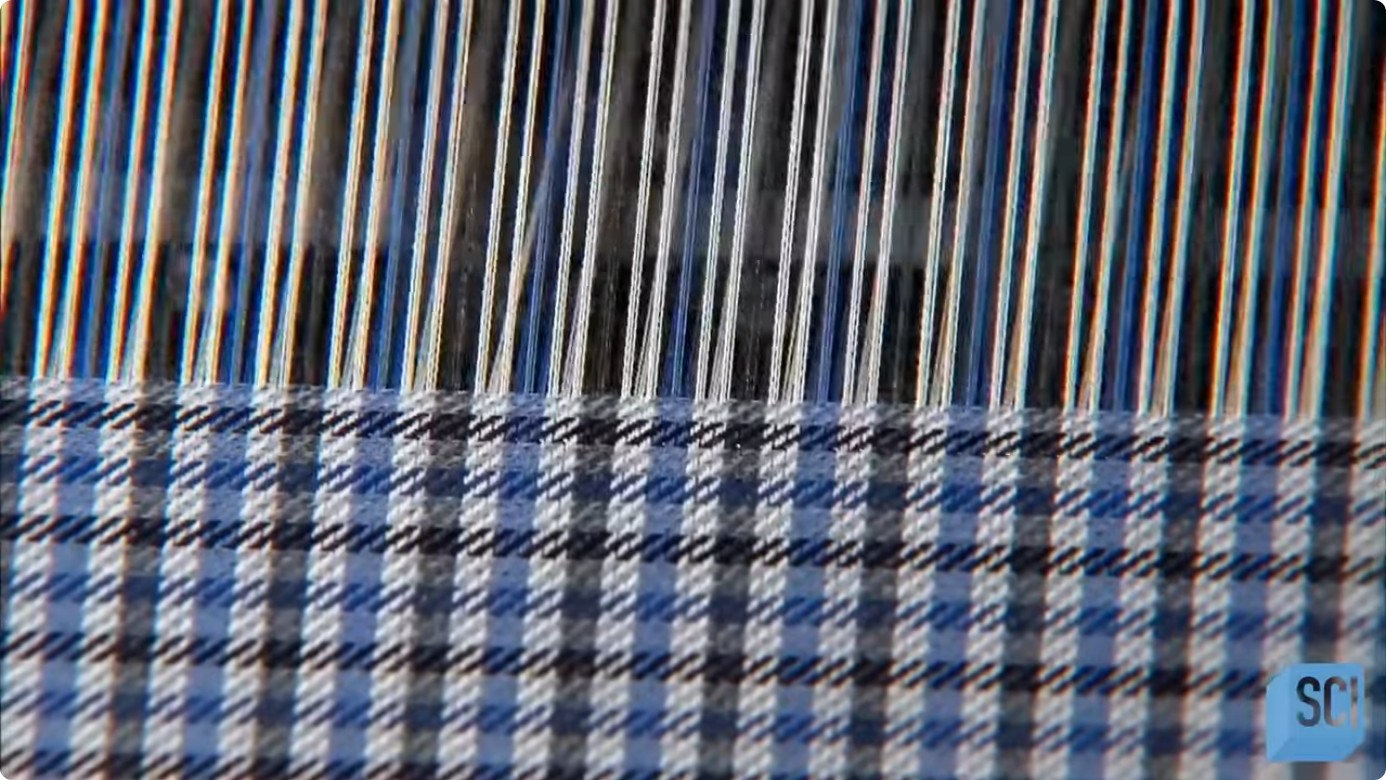
Woven fabrics are created by interlacing two sets of yarns at right angles (warp and weft). They are stable, strong, and have minimal stretch unless blended with an elastic fiber like spandex.
Common Uses: Dress shirts, workwear, uniforms, outer shells, bags, home textiles.
Key Properties: High stability and durability, crisp finish, low stretch (unless specified), prone to fraying at cut edges.
Sourcing Note: Woven fabrics often have stricter prep requirements. You must account for shrinkage (pre-washing is common) and width (usable width after selvage removal).
Feature
Knit Polyester
Woven Polyester
Stretch
Inherent (2-4 way)
Minimal (unless blended)
Hand & Drape
Soft, fluid, drapes well
Crisp, stable, structured
Primary Use
Comfort-fit apparel
Structured apparel, utility
Edge Handling
Does not fray easily
Frays; requires finishing (hem, serged)
Typical MOQ
Lower for basics, high for custom
Often higher for custom widths/weights
The Sourcing Spectrum: Where to Buy Wholesale Polyester
Your sourcing channel dramatically impacts cost, lead time, customization, and risk. The “wholesale” market isn’t one place; it’s a spectrum.
1. Domestic Fabric Distributors & Jobbers
These companies hold inventory in the U.S. (or your region) and sell by the yard, often with no or low MOQ. They are ideal for prototyping, small batches, and quick turnaround.
Advantages: Fast shipping (days, not weeks), low minimums (often 1-yard cuts), easy returns/exchanges for stock goods, no import/customs hassle.
Disadvantages: Higher price per yard, limited selection (focused on popular basics), less opportunity for custom finishing (e.g., special dyes, treatments).
Best For: Startups, sample making, small production runs, and replenishing staple fabrics.
2. Importers & Trading Companies
These entities source fabric from overseas mills (primarily in Asia) and import it in container lots. They offer a middle ground between domestic convenience and mill-direct cost.
Advantages: Better pricing than pure domestic distributors, wider fabric selection, can handle customs clearance.
Disadvantages: Higher MOQs (often 500-1,000+ yards per style/color), longer lead times (6-12 weeks), communication barriers, quality control is your responsibility or an added service.
Best For: Growing brands with predictable demand for specific fabrics, companies with experience in import logistics.
3. Direct from Overseas Mills
For the highest volumes, working directly with a manufacturing mill in China, Taiwan, South Korea, or India yields the lowest unit cost.
Advantages: Lowest cost at scale, maximum control over specifications (yarn count, GSM, finish), direct relationship with producer.
Disadvantages: Very high MOQs (often 10,000+ yards per color/construction), complex logistics ( freight, customs, duties), requires rigorous quality control protocols and on-ground agent or travel, immense communication and cultural nuance.
Best For: Established brands with significant, forecasted production volume and a dedicated sourcing/production team.
Critical Quality & Specification Factors
Price alone is a terrible metric. A lower cost per yard is worthless if the fabric fails in production or performance. Always evaluate these specifications:
GSM (Grams per Square Meter): The definitive measure of fabric weight, not thread count. A 180GSM polyester knit is light for a summer tee; a 280GSM is a heavyweight. Always request a swatch and measure it yourself.
Yarn Count & Construction: Finer yarns (e.g., 40s, 60s) produce smoother, more luxurious fabrics. Coarser yarns (20s, 30s) are more durable and economical. For knits, ask about loops per inch.
Width: The total fabric width (e.g., 58/60″ for wovens, 60/62″ for knits) vs. the usable width after selvage removal. This impacts pattern efficiency and cost.
Shrinkage: Polyester is dimensionally stable, but blends (e.g., poly-cotton) or certain finishes can shrink. Request a shrinkage report (AATCC test method). Factor this into your pattern sizing.
Colorfastness: Crucial for apparel. Ask for ratings on crocking (rubbing), lightfastness, and washfastness. Standards are set by AATCC.
Finish: Is it sanforized (pre-shrunk)? Is there a durable press (DP) finish? A moisture-wicking treatment? A peach skin finish? The finish is often what separates a basic fabric from a performance one.
Performance & Specialty Polyesters
Not all polyester is created equal. The wholesale market includes numerous engineered variants:
Microfiber: Ultra-fine filaments (less than 1 denier). Creates an exceptionally soft, silk-like hand and is excellent for windbreakers, linings, and high-end activewear.
Performance Polyester (Moisture-Wicking): Treated or specially knit to pull moisture from skin to the fabric surface. Look for terms like “coolmax,” “dri-fit” (trademarked), or generic “moisture management.” Verify claims with a standardized test.
Recycled Polyester (rPET): Made from post-consumer plastic bottles. Increasingly demanded for sustainability. Certifications like Global Recycle Standard (GRS) or UL ECOLOGO provide verification. Expect a 10-30% price premium.
UV-Protective & Antimicrobial: Fabrics with additives that block UV rays or inhibit odor-causing bacteria. Essential for outdoor and performance apparel. Request test data for UPF ratings or antimicrobial efficacy (e.g., ASTM D6544 for UV).
Navigating Pricing, MOQs, and Negotiation
Wholesale pricing is a function of volume, complexity, and relationship.
Price Drivers: Yarn cost (virgin vs. recycled, finer vs. coarser), fabric width (wider can be more efficient but sometimes costs more), finish complexity, dye color (darker colors often cost more), country of origin tariffs.
The MOQ Reality: Don’t negotiate price before understanding the MOQ. A “great” price at 20,000 yards is irrelevant if you only need 1,500. Be prepared to discuss your annual or seasonal volume forecasts to get better terms.
Negotiation Levers: Committing to a larger annual volume, paying faster (net 15 vs. net 60), taking a less popular color/width, or combining orders with another style can improve pricing.
Hidden Costs: Always factor in freight (LCL vs. FCL), customs duties (polyester typically falls under HTS code 5407.xx), insurance, and inland trucking. A DDP (Delivered Duty Paid) quote can simplify budgeting.
Due Diligence Checklist Before You Order
Rushing into a wholesale polyester order is a common pitfall. Use this checklist:
Swatch, Swatch, Swatch: Order and test physical swatches. Feel it, wash it, stretch it. Check color consistency.
Verify Certifications: If claiming recycled, performance, or Oeko-Tex Standard 100, get the certificate number and verify it on the issuing body’s website.
Request a Test Report: For critical applications, ask for recent lab reports on shrinkage, colorfastness, and any claimed performance metrics.
Audit the Supplier: A quick Google search for “[Supplier Name] + review” or “+ complaint” can reveal patterns. For overseas mills, consider a third-party audit (e.g., SGS, QIMA) for first orders.
Clarify the Incoterm: Is the quote FOB Shanghai, EXW Factory, or DDP your warehouse? This defines who pays for and manages each leg of the shipment.
Get Everything in Writing: A proforma invoice should detail: fabric name/description, construction, GSM, width, finish, color standard (PANTONE or physical swatch), quantity, unit price, total, Incoterm, payment terms, and lead time.
Common Questions & Final Considerations
Even with this framework, specific questions arise. Is a 100% polyester poplin suitable for a premium dress shirt? It can be, if it’s a fine, tightly woven, mercerized construction with a soft finishing treatment—but expect it to lack the breathability of a cotton-poly blend. What about pilling? All polyester can pill, but tighter knits with finer yarns and anti-pill finishes mitigate this. Is domestic always better for small runs? Not necessarily—some Asian jobbers now offer “small container” consolidations with 500-1,000 yard MOQs that can compete on price with slower domestic options if you can plan ahead.
The goal of polyester fabric wholesale isn’t to find the cheapest yardage. It’s to source the correct fabric for your product at a viable cost, with acceptable risk and lead time. By mastering the language of construction, understanding the sourcing channels, and insisting on concrete data over promises, you transform wholesale purchasing from a gamble into a strategic component of your product development.