Address
304 North Cardinal
St. Dorchester Center, MA 02124
Work Hours
Monday to Friday: 7AM - 7PM
Weekend: 10AM - 5PM
Address
304 North Cardinal
St. Dorchester Center, MA 02124
Work Hours
Monday to Friday: 7AM - 7PM
Weekend: 10AM - 5PM
For decades, the very idea of cotton with inherent stretch seemed contradictory. Cotton, prized for its breathability and comfort, was historically stiff and prone to wrinkling. The modern consumer, however, demands both comfort and freedom of movement, whether in jeans, a dress shirt, or athletic wear. This demand birthed and popularized cotton stretch material—a category that fundamentally redefines what cotton can do. But what exactly is it, how is it made, and when should you choose it over other fabrics? This guide cuts through the marketing to give designers, buyers, and makers a clear, practical understanding of cotton-based stretch textiles.
At its core, “cotton stretch material” refers to any fabric where cotton is the primary fiber, typically by weight, that has been blended or constructed to provide measurable elasticity. This elasticity isn’t a natural property of raw cotton fibers; it is engineered through one of two primary methods: blending with synthetic elastomeric yarns (like spandex or elastane) or through specialized knitting/weaving techniques that create mechanical stretch. The choice between these methods, and the specific blend ratios, dictates everything from the fabric’s hand feel and recovery to its durability and care requirements.
Understanding how stretch is introduced is the first step in specifying the right material. The method directly influences performance, cost, and suitability for different garment types.
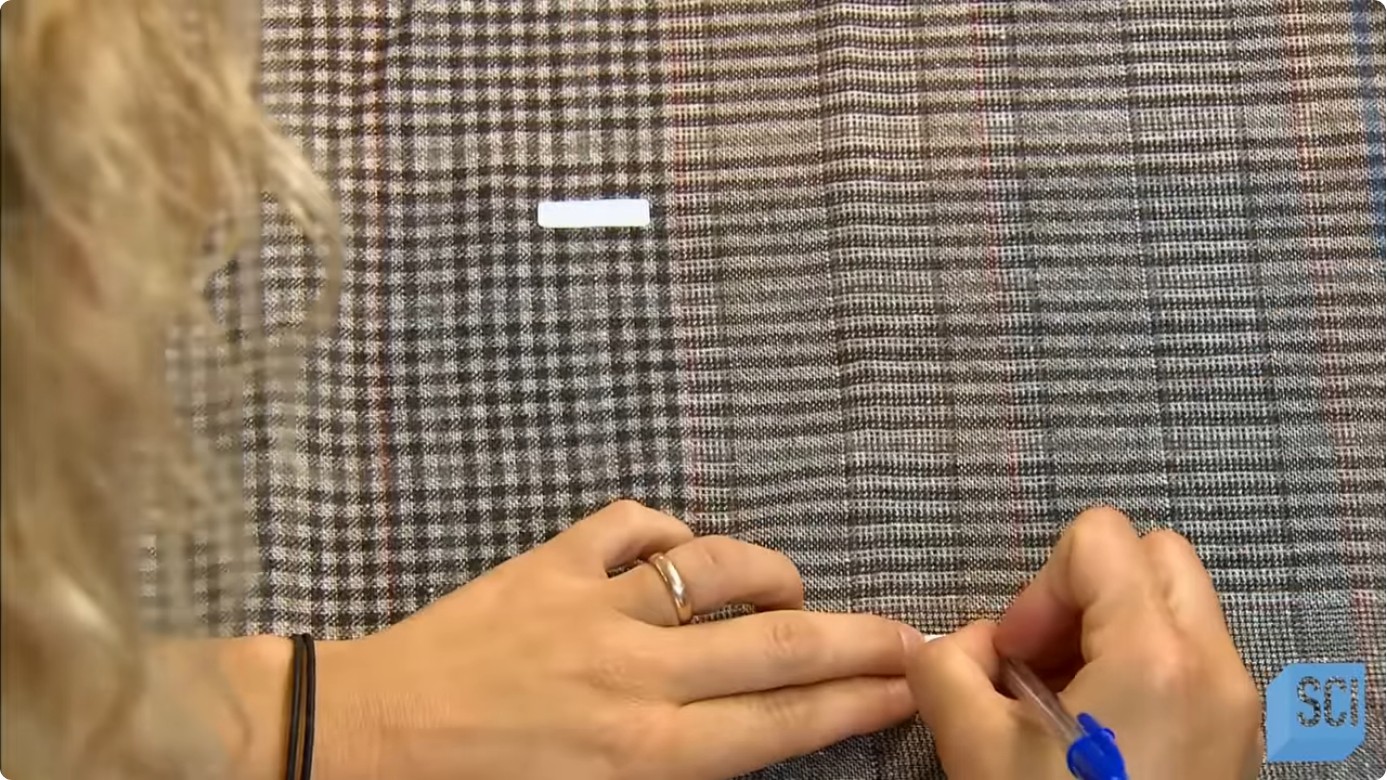
This is the most common and recognizable form of cotton stretch. A small percentage (typically 2%-5%, sometimes up to 20% for activewear) of a synthetic elastomer—most frequently elastane (the generic term, often branded as Lycra® or Spandex)—is spun or covered around a cotton (or cotton blend) core yarn. This creates a single, stretchable yarn that is then knitted or woven into fabric.
Key Tradeoff: The more elastane used, the greater the stretch and recovery, but also the higher the cost and the greater the potential for heat sensitivity (high dryer temperatures can degrade elastane).
Here, stretch is built into the fabric’s structure, not its fibers. This is achieved primarily through knitting. A jersey knit, for example, naturally has stretch because of the looped construction of the stitches. By using a cotton yarn and a specific knit pattern (like a rib knit or interlock), you create a fabric that stretches without any synthetic elastomer.
Some woven constructions can also provide minor mechanical stretch through the use of bias cutting or specific weaves like a stretch satin, but this is less common and less dramatic than knitted stretch.
The performance profile of a cotton stretch fabric is a direct function of its engineering. The following table outlines the typical characteristics you can expect from the two main categories, helping you match a fabric to a project’s demands.
| Feature | Elastane-Blended Cotton (e.g., 98% Cotton/2% Elastane) | Mechanically Stretched 100% Cotton Knit |
|---|---|---|
| Stretch Percentage | High (15%-40%+ depending on blend & construction) | Low to Moderate (10%-25%, primarily in width) |
| Recovery (Snap-Back) | Excellent. Maintains shape well. | Poor to Fair. Prone to permanent stretching. |
| Breathability & Hand Feel | Very good, but can feel slightly less soft than 100% cotton. Elastane can trap a bit more heat. | Excellent. Classic, soft cotton feel with superior air permeability. |
| Durability (Abrasion) | Elastane can be a weak point; pilling may occur. Overall durability depends on cotton quality. | Good, based on cotton yarn quality. No synthetic weak point. |
| Care & Longevity | Requires careful laundering. Heat degrades elastane. Best washed cold, line dried or tumble low. Stretch performance diminishes over years. | Simple. Can typically be washed and dried with standard cotton care. Shape will relax with wear but not fail catastrophically. |
| Environmental Note | Elastane is a petroleum-based synthetic, complicating biodegradability and recycling. | Fully biodegradable if using organic/natural dyes. The most sustainable stretch option. |
| Typical Cost | Higher than 100% cotton. Price scales with elastane % and brand (e.g., Lycra® costs more). | Comparable to high-quality 100% cotton knits. |
| Best For | Form-fitting apparel: jeans, leggings, performance wear, tailored shirts, fitted dresses. | Casual, relaxed-fit wear: t-shirts, loose-knit sweaters, baby clothes, drapey styles where recovery is less critical. |
Note: These are generalized trends. Specific mill finishes and yarn qualities can alter these properties significantly.
Specifying cotton stretch material requires more nuance than just asking for “stretch cotton.” Vague requests lead to mismatched fabrics and costly samples. Use this checklist when communicating with suppliers or mills.
The best fabric choice is dictated by the garment’s functional and aesthetic goals. Here are common scenarios:
Cotton stretch material is not a magic bullet. Engineers and designers must account for its inherent limitations.
Before finalizing a fabric decision, run through these questions. The answers will point you clearly toward the right type of cotton stretch or perhaps an entirely different fiber system.
Cotton stretch material sits at a fascinating intersection of tradition and technology. It honors cotton’s inherent comfort while engineering in the mobility modern life demands. By understanding the “how” and “why” behind its construction—whether through synthetic blend or mechanical ingenuity—you can move beyond generic specifications to select fabrics that truly serve your design’s purpose, withstand real-world use, and align with your brand’s values. The right stretch is not an invisible feature; it’s a fundamental driver of a garment’s success.


