When you hear “waffle shirt,” you might picture a specific style of casual knitwear, often with a textured, grid-like pattern. But the true story lies in the material itself—the waffle weave. This isn’t a single fabric but a specific weaving technique that creates a distinctive, three-dimensional texture. Understanding this material is crucial for anyone sourcing apparel, designing garments, or simply wanting to make an informed purchase. The right waffle fabric can mean the difference between a shirt that pills and stretches out and one that offers superior comfort, breathability, and durability.
This guide cuts through the ambiguity. We’ll explore what defines waffle material, how fiber choices drastically change its performance, and what to consider when evaluating or purchasing it for your needs—whether for a brand’s product line, a uniform program, or personal wear.
At a Glance: The Core of Waffle Material
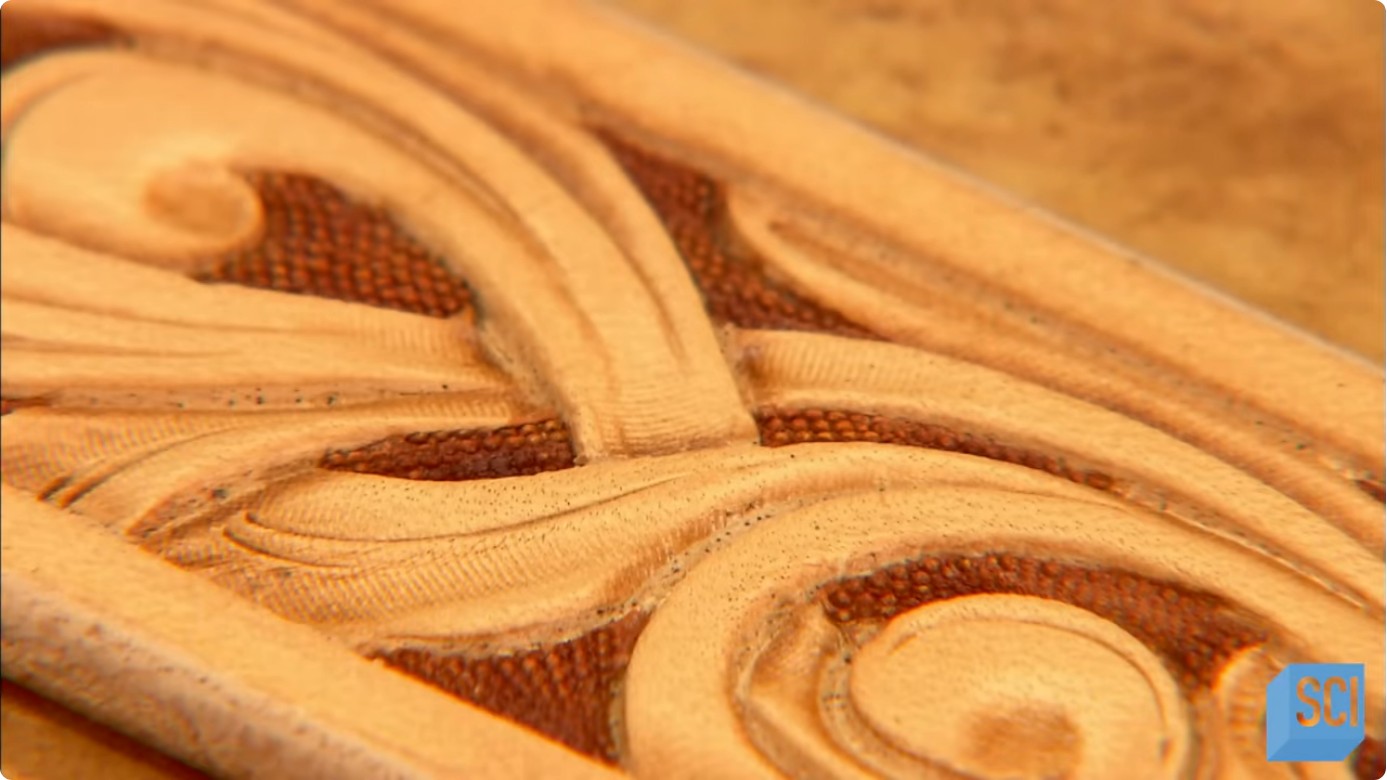
Waffle fabric is defined by its weave structure, not its fiber content. This weave creates raised squares (or “cells”) that form a shallow, grid-like pattern reminiscent of a breakfast waffle. This structure is the source of its signature characteristics:
Air Pockets: The woven cells trap air, providing insulation.
Breathability: The open structure allows for excellent air circulation.
Absorbency: The increased surface area can enhance moisture wicking, depending on the fiber.
The material’s final behavior—its feel, stretch, warmth, and care requirements—is determined almost entirely by the fibers used. A 100% cotton waffle will perform very differently from a polyester-spandex waffle knit.
Decoding the Fiber: What Your Waffle Shirt is Actually Made Of
The “waffle” in waffle shirt material refers to the weave pattern. The foundational choice is the fiber or fiber blend. This is the most critical decision point, as it dictates the shirt’s primary function and care regimen.
1. Cotton Waffle (The Classic)
Often called “waffle knit” or “thermal knit” when made from cotton, this is the traditional choice for casualwear and lightweight undershirts.
Feel: Soft, breathable, and substantial. Can have a rustic or refined hand depending on yarn quality.
Performance: Highly absorbent, good for moisture management in moderate conditions. Not inherently quick-drying.
Pros: Natural, comfortable against skin, biodegradable, good for sensitive skin.
Cons: Prone to shrinking and wrinkling. Can lose shape if not blended with a stable fiber. Less durable than synthetics under heavy abrasion.
Best For: Casual t-shirts, loungewear, lightweight undershirts (like the classic “wife-beater” style), and fashion applications where a natural feel is paramount.
2. Synthetic & Blended Waffle (The Performance Engine)
Polyester, nylon, and their blends dominate the performance apparel space. When woven or knitted in a waffle structure, they create a fabric focused on technical attributes.
Feel: Can range from slick and smooth to engineered for softness (e.g., brushed polyester). Often has more inherent drape and recovery.
Performance: Excellent moisture wicking (moving sweat to the fabric surface to evaporate), quick-drying, and highly wrinkle-resistant. Polyester provides outstanding colorfastness and UV resistance.
Cons: Can retain odors more than natural fibers (though many are now treated with antimicrobial finishes). Less breathable than cotton in humid, non-moving conditions. Environmental concerns related to microfiber shedding and petroleum sourcing.
Best For: Athletic base layers, hiking shirts, travel apparel, workwear in humid conditions, and any application where moisture management and easy care are critical.
3. The Hybrid: Cotton-Synthetic Blends
Blends like 60/40 cotton-polyester or 50/50 combos are a strategic middle ground, aiming to combine the best of both worlds.
Feel: A balance—softer than pure polyester but more stable and less prone to severe wrinkling than pure cotton.
Performance: Improved durability and shape retention over cotton, with better moisture management than cotton alone. The synthetic component aids in drying.
Pros: Cost-effective, reduced shrinkage, versatile for both casual and light-performance uses.
Cons: Can pilling if the cotton content is high and the yarn is low-quality. The “best of both worlds” can sometimes mean “compromise on both” if the blend ratio and yarn quality aren’t optimal for the intended use.
Best For: Promotional apparel, school uniforms, team shirts, and everyday casual tees where a balance of comfort, durability, and price is needed.
Performance Breakdown: What the Waffle Structure Actually Does
The waffle weave isn’t just for looks; its geometry actively influences performance. Here’s how:
Property
How Waffle Weave Affects It
Primary Fiber Dependence
Thermal Regulation
The air pockets create insulation, trapping body heat in cool conditions. The open structure also allows heat to escape more easily than a dense knit.
High. Fiber’s inherent thermal properties (wool > cotton > synthetics) set the baseline.
Moisture Management
Increased surface area from the textured cells can enhance capillary action for wicking. The open structure also allows vapor to move through the fabric.
Extremely High. Wicking is a fiber property (polyester, merino wool). Cotton absorbs but does not wick effectively.
softness & Hand
The 3D structure can create a softer, more supple feel than a flat knit of the same yarn count. Brushing the fabric enhances this.
Total. The fiber dictates the fundamental softness potential.
Drape & Stretch
The waffle pattern can reduce drape (making it stiffer) compared to a jersey knit. Stretch is determined by the knit/woven construction and any added elastane (spandex/Lycra).
Moderate. Construction and fiber blend (e.g., adding 5% elastane) are key.
Key Tradeoff Alert: There is often a tradeoff between maximum breathability and maximum wind resistance. A very open, lightweight waffle will breathe superbly but offer little barrier against wind. A heavier, denser waffle provides more wind chill protection but can feel less airy in still, warm conditions.
Whether you’re a buyer, designer, or an informed consumer, use this checklist when evaluating waffle shirt material.
Define the Primary Use Case: Is it for high-exertion athletics, daily casual wear, a uniform, or a fashion statement? This dictates the required fiber performance.
Feel the Fabric: Is the texture uniform? Are the cells sharp and well-defined or sloppy? A crisp, consistent waffle usually indicates better quality construction.
Check the Weight (GSM): Grams per square meter (gsm) is the universal measure. A lightweight summer waffle might be 120-160 gsm. A heavier thermal for cooler weather could be 220-280 gsm. Don’t guess—ask for or measure the weight.
Examine the Fiber Content Label: This is non-negotiable. Note the exact percentages. A “cotton-rich” blend behaves much differently from a “polyester-rich” one.
Assess Stretch and Recovery: If the shirt is meant to be form-fitting or for movement, check for added elastane (2-8% is common). Stretch should be immediate and recovery should be complete—the fabric shouldn’t stay deformed after stretching.
Consider Finishes: Many performance waffles have antimicrobial treatments (like EPA-registered agents) to combat odor. Others may have a durable water repellent (DWR) finish. Ask what, if any, finishes are applied and their durability (they wash out over time).
Request or Conduct a Pre-Production Test: For bulk orders, order a fabric swatch and test it. Wash it, dry it, stretch it. Check for shrinkage, pilling, and colorfastness. A reputable textile testing lab can provide standardized results.
Common Applications & Material Pairings
Seeing where waffle material succeeds helps narrow your choice:
Athletic Base Layers: Typically polyester or merino wool waffle knits (150-200 gsm). Focus on wicking, odor resistance, and precise fit.
Casual “Thermal” T-Shirts: Often 100% cotton or cotton/poly blends (180-240 gsm). Focus on softness, texture, and a relaxed fit.
Travel & Adventure Shirts: Usually nylon or polyester with added elastane and UPF treatment. Lightweight (120-180 gsm), wrinkle-resistant, and quick-dry.
Workwear & Uniforms: Cotton/poly blends are common for durability and reduced ironing. May need to meet specific OSHA or industry flame resistance standards if in hazardous environments—this requires explicit certification, not just a fabric claim.
Fashion & Loungewear: Can span the spectrum from slubby, raw-edge cotton wovens to luxurious, fine-gauge modal blends. Aesthetic and hand are the primary drivers.
Navigating Sourcing: Wholesale, Suppliers, and Sustainability
For businesses, sourcing waffle fabric involves navigating a global supply chain.
Minimum Order Quantities (MOQs): These vary wildly. A domestic fabric retailer may sell by the yard. A textile mill in Asia will have MOQs often measured in thousands of meters or kilograms. Know your volume needs.
Mill vs. Converter: A mill produces the fabric from yarn. A converter buys greige (unfinished) fabric from mills and then dyes, finishes, and prints it. Converters offer more flexibility for smaller runs and custom colors.
Certifications to Look For: If sustainability or social compliance is a priority, ask for certifications. Common ones include GOTS (organic), OEKO-TEX Standard 100 (harmful substance testing), and Better Work (labor conditions).
The Sustainability Reality Check: “Eco-friendly” claims require scrutiny. Organic cotton still uses significant water. Recycled polyester (rPET) has a lower carbon footprint than virgin but still sheds microfibers. Ask for the specific data and certification backing any claim.
Frequently Asked Questions
How do I wash a waffle shirt to maintain its texture?
Follow the care label. Generally, for cotton waffles, machine wash cold with like colors and tumble dry low to minimize shrinkage and preserve the waffle texture. For synthetics, warm water is fine, and low heat drying is sufficient. Avoid high heat, which can melt synthetic fibers and set wrinkles permanently.
Is a waffle knit the same as a thermal weave?
Not exactly. “Thermal” typically refers to a specific weave (often a variation of the waffle) that creates very narrow, elongated cells, commonly used in cotton underwear and lightweight sweaters. “Waffle” is a broader term for the grid pattern. In apparel retail, the terms are often used interchangeably, but the thermal weave is a specific subtype of waffle construction.
Which is warmer: a thick cotton waffle or a thin synthetic waffle?
In still air, the thicker cotton waffle will generally feel warmer due to its greater mass and the insulating air pockets in its thicker structure. However, if you are active and sweating, a thin, high-quality synthetic waffle that wicks moisture efficiently may keep you feeling warmer and more comfortable because it manages moisture, which is a major conductor of heat loss. The warmer choice depends on your activity level and environment.
Why does my cheap waffle shirt pill so quickly?
Pilling is caused by fiber abrasion. It’s most common in low-quality yarns with short staple fibers (common in cheap cotton) and in high-friction areas (under arms, sides). A tight, consistent weave and longer, higher-grade fibers (like combed cotton) resist pilling significantly. The blend ratio also matters—high-cotton-content fabrics pill more than synthetic-dominant ones.