Address
304 North Cardinal
St. Dorchester Center, MA 02124
Work Hours
Monday to Friday: 7AM - 7PM
Weekend: 10AM - 5PM
Address
304 North Cardinal
St. Dorchester Center, MA 02124
Work Hours
Monday to Friday: 7AM - 7PM
Weekend: 10AM - 5PM
When you reach for a plush towel after a shower or slip into a cozy robe on a cool morning, you’re likely experiencing the unique comfort of terry cloth. But not all terry is created equal. The specific designation of 100% cotton terry fabric carries significant implications for performance, feel, and care. This guide cuts through the ambiguity of textile labels to explain exactly what pure cotton terry is, why its composition matters, where it excels, and what its limitations are for your projects—whether you’re a home sewer, a small brand owner, or simply a discerning consumer.
We’ll move beyond the basic definition to explore the construction that creates its signature loops, compare it directly to common synthetic blends, and provide actionable advice for selecting and caring for this classic fabric. Understanding these details ensures you choose the right material for the job, avoiding disappointment and maximizing value.
The term “terry” doesn’t refer to the fiber content but to the weave structure. It’s a woven fabric, typically made on a special loom that produces two sets of yarns: the ground weave and the extra yarns that form the looped piles on one or both sides. These loops are the source of terry’s high absorbency and soft, textured feel. The critical distinction is the fiber used for both the base fabric and the pile loops.
When a label reads 100% cotton, it means both the warp (lengthwise) and weft (crosswise) yarns—including those that form the loops—are carded or combed cotton. This purity dictates nearly every key property of the final fabric. In contrast, a cotton/polyester blend might use polyester for the ground weave and cotton for the loops, or a mix in both, fundamentally altering performance.
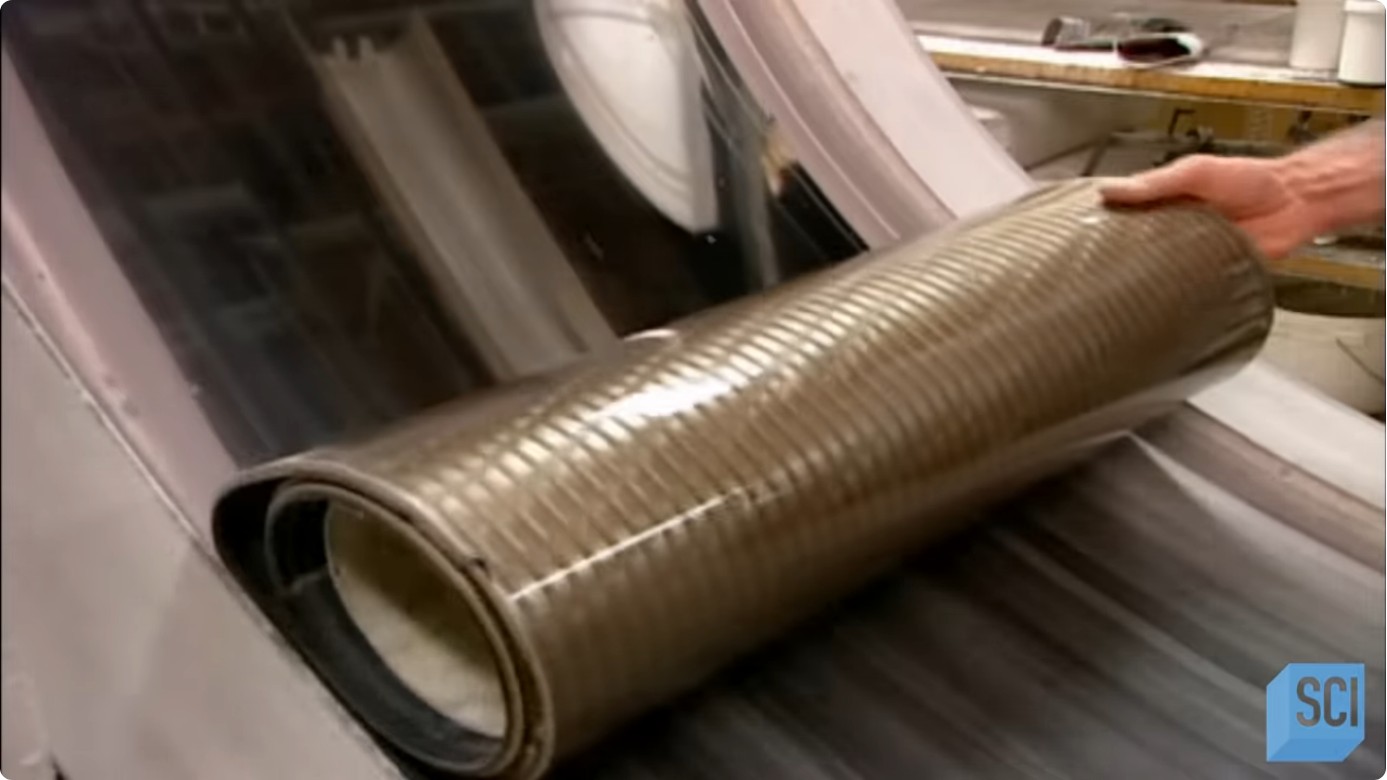
Visualize a standard weave like a tight grid. In terry weaving, the loom holds the ground warp yarns under tension while it shoots weft yarns across. Periodically, additional “pile yarns” are inserted and held in place by the ground weave. After weaving, these pile yarns are cut or left as loops. The density, length, and stability of these loops are determined by:
All these structural elements are governed by the inherent properties of the cotton fiber itself.
Choosing 100% cotton terry is a decision with clear trade-offs. Its performance is not universally superior to blends; it is superior for specific goals.
This is cotton’s defining advantage. Untreated cotton fibers are hydrophilic, meaning they attract and hold water molecules. The looped pile structure creates an immense surface area for capillary action, allowing 100% cotton terry to wick moisture away from the skin rapidly. This makes it the undisputed choice for:
Synthetic fibers like polyester are hydrophobic (water-repelling). A high polyester content will significantly reduce the fabric’s ability to absorb water, leaving you feeling damp.
Here, the waters muddy. While long-staple cotton is strong, the looped structure is inherently a stress point. Repeated abrasion, pulling, and laundering can cause loops to tear off (“pulling”) or the fabric to thin. Polyester adds significant tensile strength and abrasion resistance. Therefore:
Pure cotton terry has a natural, breathable softness that many find superior. It softens further with each wash. Blends can feel slightly slicker or less organic. However, some premium cotton terries, especially those made from extra-long staple (ELS) cotton like Supima®, have a silkier, more luxurious hand feel from the outset due to the finer, stronger fibers.
| Property | 100% Cotton Terry | Typical 80/20 Cotton/Poly Terry |
|---|---|---|
| Absorbency | Excellent. Fully hydrophilic. | Good to Moderate. Reduced by polyester content. |
| Durability (Abrasion) | Good. Prone to loop pull over time. | Very Good. Polyester enhances strength. |
| Shrinkage | High (5-10% if unwashed). Requires pre-washing. | Low. Polyester stabilizes dimensions. |
| Hand Feel | Natural, breathable, develops softness. | Slightly less breathable, can feel stiffer initially. |
| Color Fastness | Good, but can fade more with sun/bleach. | Often better, synthetics hold dye well. |
| Cost | Variable. Can be high for ELS cotton. | Generally lower per yard. |
| Best For | Luxury towels, baby items, robes where feel/absorbency are key. | High-use commercial items, families wanting low-maintenance durability. |
The optimal use case for pure cotton terry is any application where maximum absorbency and natural fiber comfort are the primary drivers, and the item is not subjected to extreme, constant abrasion.
Important Caveat: For items like beach towels that must dry quickly to avoid mildew in a damp bag, a lightweight cotton/poly blend is often a more practical choice than a dense, slow-drying 100% cotton terry.
Not all 100% cotton terry is equal. Quality varies dramatically based on the cotton staple length, yarn formation, and finishing processes.
Look for terms that indicate the cotton quality:
Examine the fabric if possible:
When sourcing in volume:
Owning or working with 100% cotton terry comes with specific responsibilities. Its natural qualities are also its vulnerabilities.
Follow this checklist to preserve your terry:
Select a cotton/polyester blend if:
Stick with 100% cotton if:
Q: Can I use 100% cotton terry for beach towels?
A: You can, but it’s not ideal. Its high GSM and loop structure mean it holds a lot of water and dries slowly, leading to a musty smell if rolled up damp. A lighter-weight cotton/poly blend (like 60/40) will absorb enough, dry faster, and be easier to shake sand off of due to the slightly slicker synthetic fibers.
Q: Is Turkish cotton terry different?
A: “Turkish cotton” typically refers to cotton grown in the Aegean region, often a type of medium-staple cotton prized for its long, silky fibers. When used in terry, it produces a very smooth, lustrous, and absorbent fabric, often with a shorter loop than traditional terry. It’s a premium variant of 100% cotton terry, not a different construction.
Q: How can I tell if a towel is truly good quality just by touching it?
A: Feel for density and loop integrity. A high-quality towel feels heavy for its size (high GSM). Rub your hand over the loops—they should feel full and resilient, not thin or sparse. Tug gently on a loop; it should be firmly anchored and not pull out easily. A cheap towel will feel thin, light, and the loops may feel loose.
Q: What GSM is best for a bath towel?
A: It’s subjective, but general guidelines: 300-400 GSM is a standard, good household towel. 400-600 GSM is considered premium and plush. 600+ GSM is ultra-luxury, very dense, and heavy. For a lightweight, quick-drying travel towel, look for 200-300 GSM, often in a blend.
You may also like: The Complete Guide to Jersey Knit Stretch Fabric: Construction, Uses, and Sourcing


