Address
304 North Cardinal
St. Dorchester Center, MA 02124
Work Hours
Monday to Friday: 7AM - 7PM
Weekend: 10AM - 5PM
Address
304 North Cardinal
St. Dorchester Center, MA 02124
Work Hours
Monday to Friday: 7AM - 7PM
Weekend: 10AM - 5PM
Slub linen fabric is instantly recognizable by its characteristic texture—a series of irregular, raised nubs and variations in yarn thickness that create a beautifully rustic, organic surface. This texture, known as “slub,” is not a flaw but a deliberate feature resulting from the natural properties of the flax fiber and specific spinning techniques. For designers, sewists, and apparel brands, slub linen offers a distinctive aesthetic that contrasts with the smoother, more uniform appearance of conventional linen. It evokes a sense of artisanal quality and casual elegance, making it a popular choice for warm-weather clothing, home textiles, and artisan apparel. However, its unique texture also comes with specific performance traits and handling considerations that are crucial to understand before selecting it for a project.
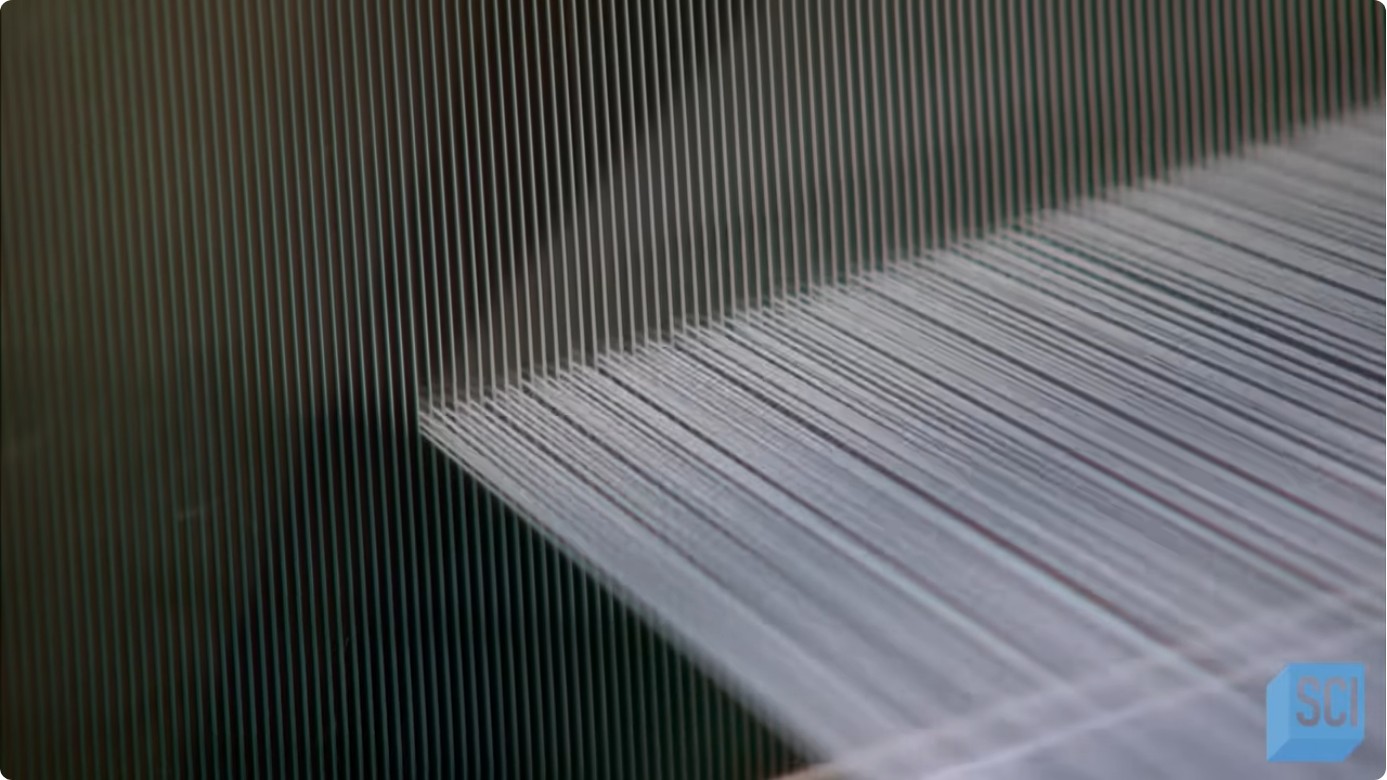
This guide moves beyond the basic definition to explore how slub linen is made, how its texture influences its behavior in clothing, and the practical trade-offs involved in working with and sourcing this material. You’ll learn where its strengths shine, where its limitations lie, and how to make informed decisions about incorporating slub linen into your apparel line or wardrobe.
| Characteristic | Slub Linen | Standard (Even) Linen |
|---|---|---|
| Primary Visual/Texture | Pronounced, irregular nubs and thick/thin yarn variations; a rustic, lived-in look. | Smooth, uniform surface; consistent yarn thickness for a refined appearance. |
| Drape & Hand | Often stiffer initially; can have a more pronounced, textured drape that settles with wear. | Typically drapes more fluidly and softly from the start, especially in lighter weaves. |
| Breathability & Coolness | Excellent, as with all linen. The textured surface can create micro-channels for air circulation. | Excellent. Smooth surface may feel slightly cooler against bare skin initially. |
| Wrinkle Propensity | Wrinkles significantly. The texture can help camouflage minor wrinkles but deep creases are still very visible. | Wrinkles significantly. Smooth wrinkles may appear more defined than in slub. |
| Typical Use Cases | Casual dresses, shirts, jackets, artisan homewares (curtains, cushion covers), styles embracing “wrinkle charm.” | Tailored trousers, blazers, classic shirts, bedding, applications needing a smoother finish. |
| Fabric Weight Range | Common in medium to heavy weights (e.g., 180-300+ GSM) where slub is most pronounced. | Available in a wider range from very light (for summer shirting) to heavy. |
The “slub” effect is fundamentally a yarn-level phenomenon. In spinning, a slub forms when a section of roving (the loosely twisted strand of fiber) is inadvertently thickened, or when the drafting mechanism allows a lump of fiber to pass through. In the case of traditional hand-spun or artisanal linen, these variations are celebrated as part of the yarn’s natural, irregular character. For modern mill-produced slub linen, the effect is often controlled and engineered. Mills can deliberately create slubs by:
This texture is integral to the fabric’s identity. It affects light reflection, giving the fabric a beautiful, dimensional luster that changes as the piece moves. It’s this tactile and visual depth that makes slub linen desirable for applications where a “handcrafted” or “authentic” feel is paramount.
It’s essential to separate the properties of linen from the effects of slub. The base fiber—flax—dictates the core performance: high strength, excellent moisture absorption and wicking, natural thermoregulation, and inherent antimicrobial properties. The slub texture modifies the experience of these properties but does not fundamentally alter them.
Key Strengths (Linen + Slub):
Important Trade-offs and Considerations:
Proper care is non-negotiable for maintaining the beauty and longevity of slub linen. The following checklist ensures your fabric or garment remains a cherished piece.
For wholesale buyers and brands, providing clear, specific care instructions with your products is a key service that manages customer expectations and ensures satisfaction.
More advice: Tencel Modal Fabric: A Practical Guide to Properties, Comparisons, and Sourcing
When sourcing slub linen, especially in volume, the nuances matter. A 10-ounce slub linen from one mill can feel and perform differently from another due to variations in flax quality, spinning, and finishing.
Choosing slub linen is ultimately an aesthetic and functional decision. Its texture tells a story. It is best suited for designs that celebrate a relaxed, earthy, or sophisticated-casual vibe.
Ideal Scenarios:
Less Suitable Scenarios:
Before finalizing a fabric decision, weigh these final considerations. Your choice between slub and even linen often comes down to the specific story you want your garment to tell and the practical realities of your user’s lifestyle.
| Decision Factor | Choose Slub Linen If… | Choose Even Linen If… |
|---|---|---|
| Primary Goal | You want a pronounced, rustic, artisanal texture and are willing to manage significant wrinkling. | You need a smoother, more refined finish with a classic linen look that still breathes well. |
| Target Customer Expectation | They value uniqueness, natural imperfection, and a “slow fashion” aesthetic. They embrace a casual, wrinkle-friendly look. | They expect a relatively tidy appearance for casual business or smart-casual settings. They may iron their clothes. |
| Garment Silhouette | Relaxed, flowing, draped styles where texture adds design interest. Untailored shapes. | Tailored, structured silhouettes (blazers, trousers, fitted dresses) where a clean line is important. |
| Fabric Weight Needed | You are working in medium to heavy weights (200+ GSM) where slub is most visible and provides substantial body. | You need a wide range, including very light weights (sub-150 GSM) for sheer shirting or blouses. |
Slub linen fabric is more than just a material; it’s a statement of texture and authenticity. Its irregular surface connects the wearer to the organic origins of the flax plant and the craft of spinning. In a market saturated with perfectly uniform synthetics and wovens, this imperfection is its greatest strength for the right application. The key to success lies in understanding and communicating its nature: it is breathable, durable, and beautifully soft with age, but it is also inherently wrinkled and textured. By aligning its characteristics with designs that celebrate relaxed elegance and by providing clear guidance on its care, makers and brands can create lasting products that resonate with consumers seeking genuine substance over superficial perfection. Whether you’re sourcing for a wholesale collection or choosing fabric for a personal project, let the slub tell the story you intend.


